0
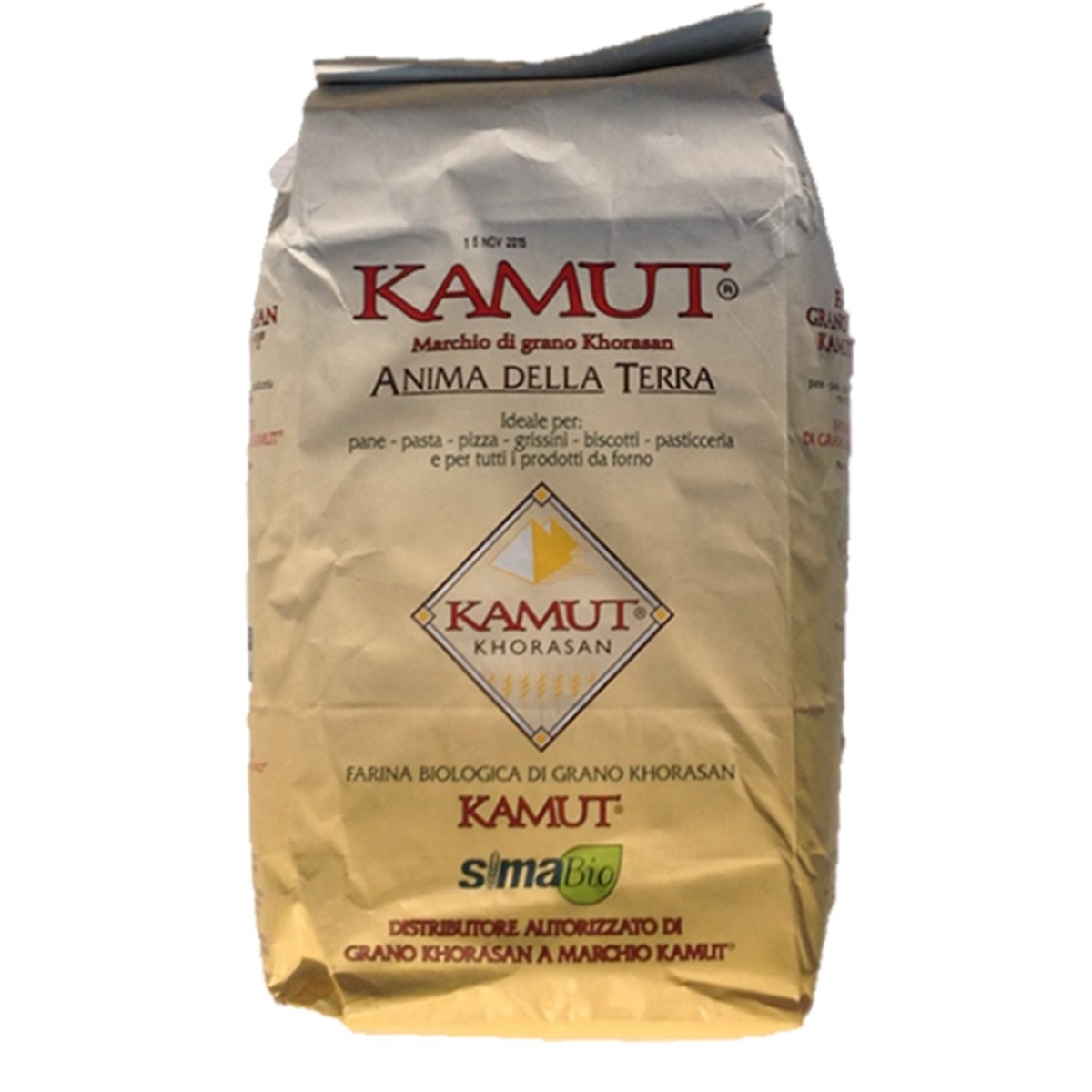
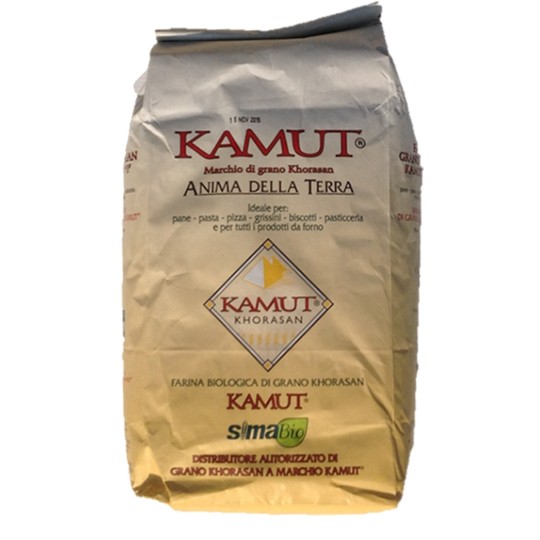
1 kg Kamut® flour Khorasan wheat "Type 0" - ORGANIC - Molino Zappalà

1 kg Kamut® flour Khorasan wheat "Type 0" - ORGANIC - Molino Zappalà

€11.90
VAT included
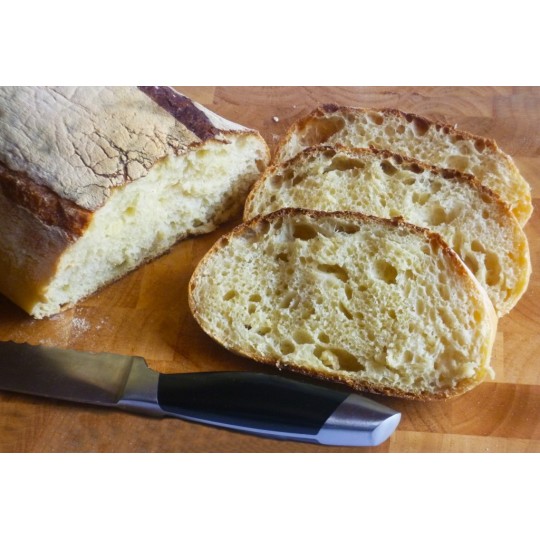
kamut1

The great reputation that Khorasan Kamut® has earned over time is mainly due to the everioration of food allergies; After long studies conducted in the USA it was in fact demonstrated that about 70% of people who do not tolerate traditional wheat due to allergic reactions, can easily consume Khorasan Kamut®.

120 days deadline from the order

Hurry up! Only 450 item(s) left in Stock!

The great reputation that Khorasan Kamut® has earned over time is mainly due to the everioration of food allergies; After long studies conducted in the USA it was in fact demonstrated that about 70% of people who do not tolerate traditional wheat due to allergic reactions, can easily consume Khorasan Kamut®. The same indications are not valid for those who are celiac; The Khorasan Kamut®, in the same way as the grain, contains gluten and cannot therefore be consumed by gluten intolerant people. Much appreciated, in addition to nutritional properties, its good digestibility and assimilation. To be emphasized the presence of selenium, which, thanks to its antioxidant properties, is able to protect the body from the effects of the effective free radicals. At confirmation of good nutritional properties, every 100 grams of Kamut, we have a calorie intake of 335 calories.

Khorasan Kamut® wheat is very rich in selenium, zinc and magnesium and also contains iron, phosphorus, calcium, potassium and sodium. Among the vitamins present some of the B group: B1 or (Tiamina), B2 (Riboflavina), B6 (pyridoxin); It also has a good amount of vitamin E (Tocherol). The concentration of amino acids is higher than that of traditional wheat and is, like other varieties of wheat, free of cholesterol;


Property and beneficial effects of Kamut Kamut, belonging to the Triticum genre, is an ancient grain cultivated by the Egyptian population, called Khorasan grain, produced with organic cultivation in different parts of the world and patented by the company US "Kamut International". The patented Khorasan wheat "Kamut" is certainly a product deriving from organic farming and, for this reason, free of pesticides or derivatives from chemical fertilizers. By purchasing, therefore, the Khorasan wheat "Kamut" is the certainty of a genuine product and that still maintains all the qualities of the ancient Khorasan wheat, now as millennia ago, without genetic manipulations or use of products Harmful during production. The Khorasan wheat "Kamut" (which we will simply call "Kamut" wheat as we refer expressly to that biologically produced) has much larger grains than normal grain and is, for this reason, called "Giant Wheat". In history it was not much appreciated, he presented dark periods until it was decided to focus on this product, in the idea of guaranteeing a Khorasan wheat certainly healthy. Kamut wheat is considered one of the most complete cereals from the nutritional point of view, more rich in proteins and mineral salts compared to wheat: it has about 350 calories per 100 gr of product, 9% of water, 16 grams of proteins, 69 grams of Carbohydrates, 2 grams of fats and 7 grams of food fibers. Kamut wheat is very rich in selenium, zinc and magnesium and also contains iron, phosphorus, calcium, potassium and sodium. Among the vitamins present some of the B group: B1 or (Tiamina), B2 (Riboflavina), B6 (pyridoxin); It also has a good amount of vitamin E (Tocherol). The concentration of amino acids is higher than that of traditional wheat and is, like other varieties of wheat, free of cholesterol; Kamut grain contains gluten, so it's not a food suitable for celiacs. Has a good digestibility and, moreover, since it was treated with pesticides and other allergenic substances, the Kamut wheat is tolerated by the 70% of the population that has allergic reactions to the traditional grain; However, especially in cases of strong allergies, it is always advisable to consult the opinion of a doctor. It is energizing and therefore recommended in cases of Astriania. Among the beneficial properties we find that closely linked to the wealth in selenium and other minerals, who make Kamut a food with antioxidant properties, able to fight damage due to free radicals and, therefore, to delay cell aging; Furthermore, the risks of cancer formation, of cardiac diseases decreases, is remineralizing and is a food recommended to all ages, in cases of anemia, stress and is also useful for the elderly. We said that Kamut is also rich in zinc, another precious element because antioxidant, indispensable for the functionality of our immune system, for cell growth, for protein synthesis and for views. The Kamut wheat can be found in beans but also in flours, with which bread, pasta and other foods, sweet and savory are produced.

Medium nutritional content 100g of product:

Energy value 1458 KJOULE - 344 KCAL

Protein 14.00 gr

Carbohydrates 67.35 gr

of which sugars 2.40 gr

Fat 1.08 gr

of which saturated 0.25 gr

FIBER FIBER 4.25 gr

Sodium 16.65 mg

Salt 41.63 mg

Contains gluten

Can contain soy and mustard

Maximum humidity 15.50%

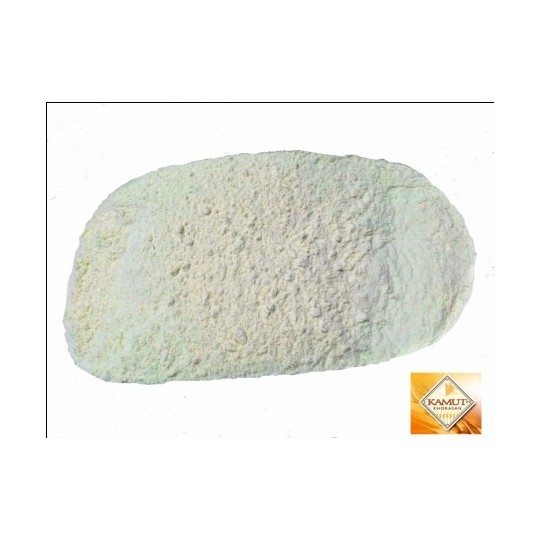
kamut1
450 Items

Data sheet

Pack
1
Net weight
1 kg

Specific References

Comments (0)
No customer reviews for the moment.

1 kg Kamut® flour Khorasan...

€11.90