


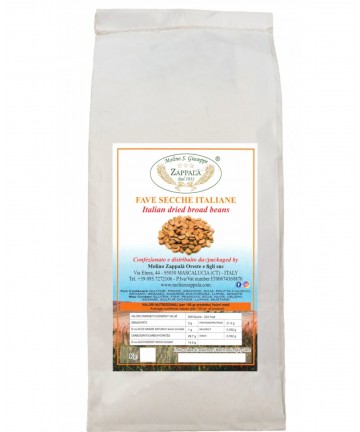
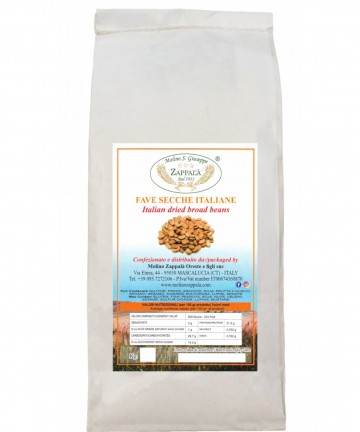
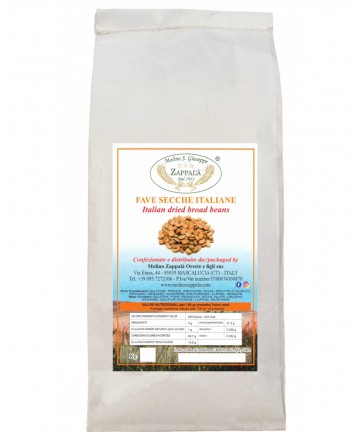
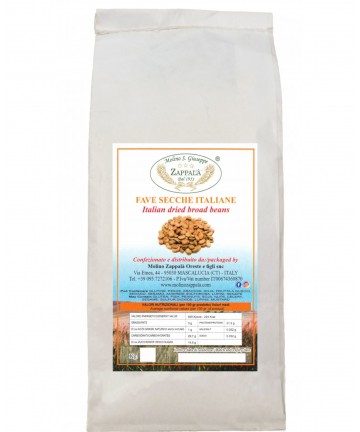
Beans, like other legumes, are part of human history and have entered the diet in such a massive way that they are called "the meat of the poor". This is due to the fact that one hundred grams of dried beans are worth, from a nutritional point of view, almost as much as a two-hundred-gram steak, as they provide the body with the same amount of calories. Furthermore, eating beans certainly causes fewer problems than eating meat, the excessive consumption of which has long been accused.
The latest research findings attribute health-supporting properties to beans.
The main qualities of the bean can be summarized in these six points:
PROTEIN: Beans are richer in protein than meat and fish. They have a composition of essential amino acids almost equal to that of animal-based foods, lacking only some amino acids such as tryptophan, methionine and cysteine.
On the other hand, these three amino acids are significantly present in cereals, which in turn lack lysine, which is abundant in beans. For this reason, a diet based on pasta and beans guarantees a complete protein intake, which satisfies all the needs of the body.
STARCHES AND SUGARS: Dried beans contain approximately 60% of starches and sugars, equal to the percentage that is considered optimal for a correct diet. For this reason, beans can be used in place of bread and pasta in the diet of obese or simply overweight subjects. In fact, 100 g. of dried beans correspond to 120 g. of bread and 80 g. of pasta.
FATS: beans have the advantage of containing little fat and mainly unsaturated fat, fats which are therefore very useful in the diet.
VITAMINS: Beans contain significant amounts of vitamin B, which is necessary for carbohydrate metabolism, vitamin B2, which protects tissues and eyesight, vitamins B3, B6 and PP, as well as folic acid.
They also contain beta-carotene, vitamins C and E.
MINERAL SALTS: beans are particularly rich in mineral salts, especially calcium, magnesium and potassium; they also contain many trace elements essential to the body, such as iron, copper, manganese, zinc and iodine.
FIBER: beans, together with other legumes, are the foods richest in fiber, both in insoluble form (the cellulose in the seed husk) and in the form of particular sugars contained within the seed.
May contain traces of soy, sesame seeds and celery.
No customer reviews for the moment.















 Reviews (0)
Borlotti Lamon Beans "Italian Origin"
The bean, like other legumes, is part of human history and has entered the diet in such a massive way that it is defined as "the meat of the poor". This is due to the fact that a pound of dry beans is, from a nutritional point of view, almost the same as a two-pound steak, as it provides the body with the same amount of calories.